Rigging & Knots
8 min read·Updated Aug 2026Beginner

The Texas rig, start to finish

Weight, hook, bait, and the small choice at each step that decides whether you come through cover or hang up in it.

The Texas rig is the first thing to learn after a knot, because it is the presentation that lets you fish where fish actually live. Wood, weed, rock, laydowns. Places that eat an exposed hook on the first cast.

What the rig is doing

A bullet weight ahead of a weedless-rigged soft plastic does two jobs at once. It gets the bait down, and it noses through cover instead of catching on it. The bait follows the weight into places you would not otherwise be able to fish.

Pegged or free-sliding

Leave the weight free and it separates from the bait on the fall, which gives you a slower, more natural drop. Peg it with a bobber stop and the whole rig moves as one unit, which is what you want when you are punching into heavy cover and need everything to arrive together.

Start unpegged. Peg it when the cover gets thick enough that the separation is costing you hook-ups.

The one detail that matters

Skin-hook the point. Buried too deep and the plastic will not collapse on the hookset, so the point never reaches the fish. Left fully exposed and you are just fishing an open hook. Just under the surface is the whole trick, and it is worth re-checking every few casts because the plastic moves.

What you need

Bullet weight, 1/8 to 3/8 oz
3/0 or 4/0 EWG hook
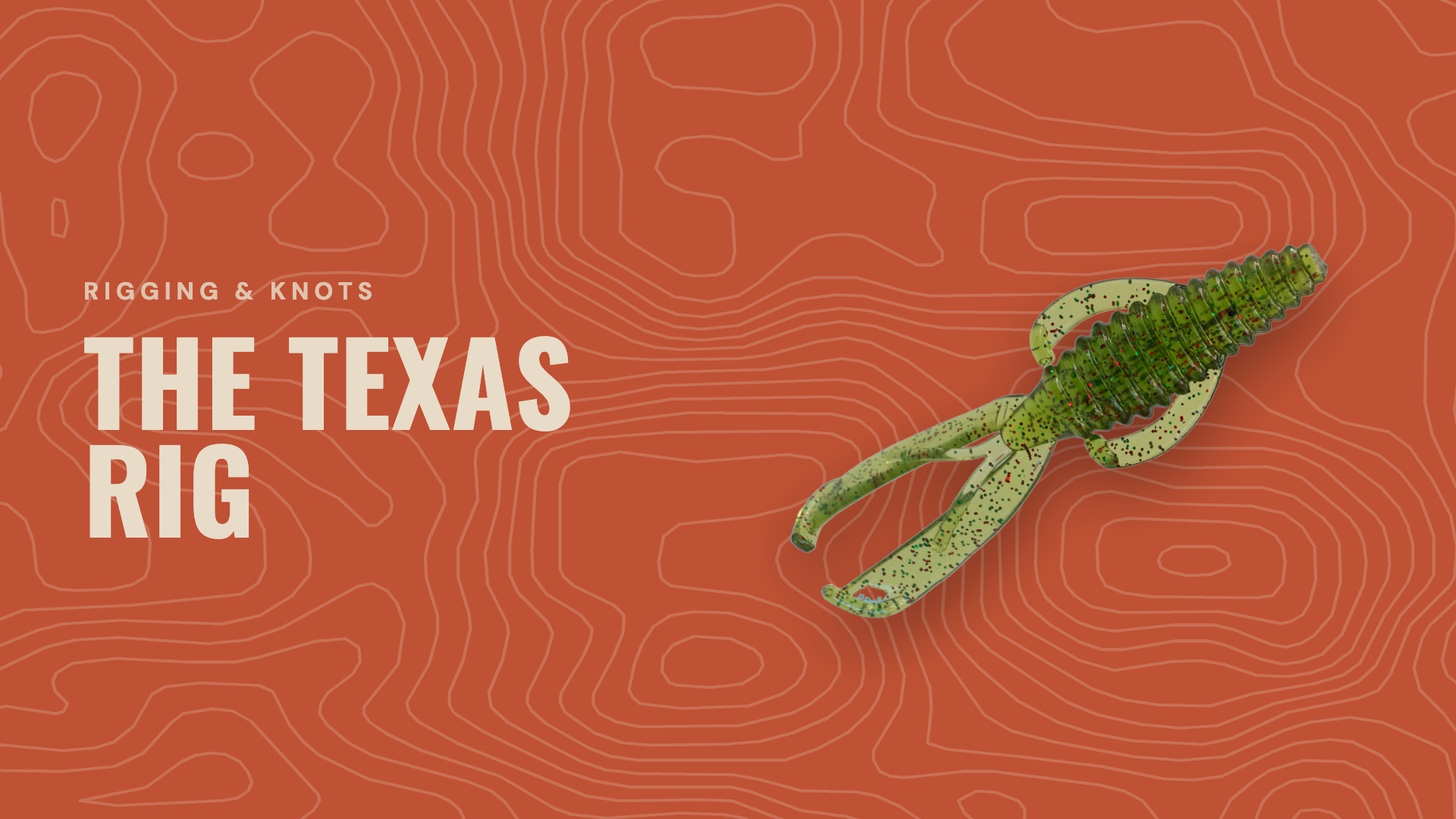
Bomba Craw
12-15 lb fluorocarbon
Bobber stop (optional)
Medium-heavy rod

Tying the rig

Slide the weight onPoint first, up the line. If you want it pinned, add a bobber stop above it.
Tie on the hookA palomar is plenty. Keep the tag end short.
Enter the nose of the baitAbout a quarter inch straight down into the head, then bring the point out the side.
Slide the bait up to the eyeThe hook eye should just disappear into the plastic. This is what stops it sliding down on the cast.
Rotate the hookTurn it a half turn so the point faces back toward the bait.
Lay the shank alongsideHold the hook against the bait to see exactly where the point needs to re-enter.
Skin-hook the pointPush it in and back out so it sits just under the surface of the plastic. Not buried deep.
Check that it hangs straightHold it up. A crooked bait spins on the retrieve and fish notice.

Best conditions

Water clarity
ClearStainedMurky
Time of day
Low lightMiddayAll day
Used in this guide

Bomba Craw

A high-action crawfish imitation with oversized flaring claws, built for flipping, pitching, and jig trailers. Durable and designed to trigger reaction strikes in heavy cover and…

Shop $5.99Free shipping over $25.00

Get the next guide by email.

One a week. Rigging, water, and what we are throwing.

Read next
Rigging & Knots

The drop shot, filmed end to end

6 min·8 steps
Rigging & Knots

Retrieve speed, and why most people go too fast

5 min·Intermediate
Rigging & Knots

Fishing a fluke weightless

6 min·8 steps